Starting college is one of the biggest milestones in a student's life. It marks the beginning of greater independence, new friendships, academic challenges, and career opportunities. While the transition from school to college can feel exciting, it can also be overwhelming for many first-year students. A new environment, unfamiliar classmates, different teaching methods, and increased responsibilities often create uncertainty during the first few weeks.
A well-planned College Survival Guide for Freshers helps students prepare for these changes before they become stressful. Instead of learning everything through trial and error, freshers can develop good habits from the beginning, manage their time wisely, build meaningful relationships, and focus on both academic and personal growth.
College success is not determined only by high grades. Students who communicate confidently, participate in campus activities, learn practical skills, and prepare for future careers often gain the greatest advantage. Throughout this guide, readers will discover practical college life tips, effective study strategies, productivity techniques, and career planning advice based on real student experiences.
Whether a student plans to live in a hostel or commute daily, this guide offers realistic solutions to common first-year challenges while helping freshers enjoy every stage of their college journey.

How can freshers prepare for college before the first day?
A successful College Survival Guide for Freshers begins long before the first lecture. Students who prepare academically, mentally, and practically before arriving on campus usually adapt faster, experience less stress, and feel more confident during their first semester. A little planning can make the transition into college life much smoother.
Preparing for college is not about having every answer. It is about developing realistic expectations and creating a strong foundation for the months ahead.
Many students spend their last summer worrying about making friends or passing exams. Experienced seniors often say that confidence grows naturally once classes begin. The key is arriving prepared instead of trying to figure everything out during the first week.
What should every student know before starting college?
Every fresher should understand that college offers greater freedom along with greater responsibility. Students are expected to manage their own schedules, communicate with professors, complete assignments independently, and make decisions that affect both academic performance and personal growth. Learning these expectations early helps students settle into college more comfortably.
The biggest difference between school and college is independence.
Teachers may no longer remind students about every assignment. Attendance policies may be more flexible, but missing lectures can quickly create learning gaps. Students who take ownership of their education usually perform better throughout the semester.
Many first-year students also expect instant friendships.
In reality, friendships often develop gradually through classes, group projects, clubs, and hostel life. Feeling nervous during the first week is completely normal, and almost every fresher experiences similar emotions.
College is also the perfect time to explore interests beyond academics. Joining clubs, attending workshops, participating in competitions, and volunteering all contribute to personal growth while strengthening future career opportunities.
What documents and essentials should you keep ready?
Preparing important documents before moving into college prevents unnecessary stress during admissions and hostel registration.
Students should organize:
Admission letter
Identity proof
Passport-size photographs
Academic certificates
Fee payment receipts
Medical records
Hostel allotment documents
Emergency contact information
Bank account details
Digital copies stored securely online
Academic essentials should also be prepared in advance.
These may include:
Laptop or tablet
Notebooks
Pens and stationery
Calculator (if required)
Backpack
Water bottle
Power bank
USB drive
Keeping everything organized during the first week allows students to focus on adjusting to campus instead of searching for missing paperwork.
How can you mentally prepare for campus life?
Mental preparation is just as important as academic preparation.
Many freshers imagine that everyone else feels confident. In reality, most students worry about fitting in, making friends, managing studies, or living away from home.
A healthier mindset includes:
Accepting that mistakes are part of learning.
Staying open to meeting different people.
Being willing to ask questions.
Avoiding unnecessary comparisons.
Giving enough time to adjust.
One common experience during orientation week is feeling lost.
Students may forget classroom locations, struggle with new schedules, or feel awkward introducing themselves. These situations become easier after a few days. Confidence develops through repeated experiences rather than immediate perfection.
Maintaining regular communication with family while gradually becoming independent also helps reduce anxiety during the transition.
What expectations about college life are realistic?
Movies often present college as a constant series of exciting events, parties, and adventures.
Real college life is much more balanced.
Students usually spend their time:
Attending lectures
Completing assignments
Preparing for examinations
Participating in clubs
Meeting friends
Learning practical skills
Exploring career opportunities
There will be busy weeks and relaxed weekends.
Some semesters may feel demanding because of project deadlines and examinations, while others provide opportunities for internships, workshops, and extracurricular activities.
Students who expect both challenges and enjoyable experiences usually adapt better than those expecting a perfect college experience every day.
How can a College Survival Guide for Freshers help reduce first-year stress?
A College Survival Guide for Freshers reduces stress by helping students understand common first-year challenges before they encounter them. When freshers know what to expect, they make better decisions, avoid common mistakes, manage their time effectively, and build confidence throughout their college journey.
The first semester often feels overwhelming because everything changes simultaneously.
Students may experience:
New teaching styles
Independent learning
Multiple assignments
Hostel adjustment
Financial responsibilities
Social pressure
Career uncertainty
Having practical guidance allows students to respond calmly instead of reacting emotionally.
For example, many first-year students panic after receiving lower grades on their first college assignment. Experienced students understand that college grading standards differ from school. Rather than becoming discouraged, they seek feedback from professors, improve study techniques, and perform better in future assessments.
Preparation turns unexpected situations into manageable experiences.
What challenges do most first-year students face?
Almost every fresher experiences similar challenges during the first few months.
Some of the most common include:
Homesickness
Difficulty making friends
Managing personal finances
Balancing academics and social life
Understanding college expectations
Exam anxiety
Time management problems
Increased independence
Hostel students often experience homesickness during the first few weeks.
Simple routines such as joining roommates for meals, participating in campus activities, or calling family regularly usually make the adjustment much easier.
Another common challenge is information overload.
Orientation programs, assignment deadlines, club registrations, and classroom schedules often arrive at the same time. Keeping a planner or digital calendar helps students stay organized from the beginning.
How can planning ahead make college preparation easier?
Planning ahead allows students to enter college with confidence instead of confusion.
Simple preparation can include:
Reviewing the academic calendar.
Organizing study materials.
Creating a monthly budget.
Understanding hostel rules.
Learning the campus layout.
Setting realistic academic goals.
Planning a weekly routine.
Students who prepare early spend less time solving avoidable problems.
For instance, creating a weekly schedule before classes begin helps students allocate time for lectures, revision, exercise, meals, and relaxation without feeling overwhelmed later.
Planning also reduces procrastination because students already know what needs attention each week.
Which college skills are most valuable from day one?
Several skills help freshers succeed immediately after joining college.
The most valuable skills include:
Time management
Communication skills
Critical thinking
Problem-solving
Digital literacy
Teamwork
Adaptability
Self-discipline
Communication skills become especially valuable during classroom discussions, presentations, and group assignments.
Similarly, digital literacy has become increasingly important as colleges use online learning platforms, digital submissions, and virtual collaboration tools.
Students interested in building career-ready skills alongside their academic studies can also explore structured online learning opportunities. Platforms like JioSkill offer industry-relevant courses, certifications, and learning pathways that complement college education. Instead of waiting until the final year, many students begin developing practical communication, digital, and professional skills early, making internship preparation much easier later. More information is available at https://www.jioskill.com/.
Starting skill development during the first year gives students more time to build confidence before placement season begins.
What should freshers pack for hostel or campus living?
Freshers can make hostel or campus life much easier by packing only the essentials. A practical College Survival Guide for Freshers recommends carrying academic supplies, personal necessities, basic medicines, and a few comfort items while avoiding unnecessary luggage. Packing smart saves space, reduces stress, and helps students settle into their new environment quickly.
For many students, hostel life is their first experience of living away from home. It is exciting, but it also comes with responsibilities such as organizing personal belongings, managing laundry, maintaining cleanliness, and sharing a room with others.
Instead of packing everything available at home, students should focus on items they will actually use every day. Most forgotten items can be purchased near the campus if needed.
A simple packing checklist prepared a week before moving can prevent last-minute panic.
What are the must-have academic essentials?
Academic essentials help students stay prepared from the very first lecture.
A well-organized study kit usually includes:
Laptop or tablet (if required by the course)
Notebook for each subject
Pens, pencils, highlighters, and markers
Sticky notes
Scientific calculator (for relevant courses)
Backpack with multiple compartments
Reusable water bottle
USB flash drive or external storage
Headphones for online classes
Extension board or multi-plug adapter
Although many resources are now digital, handwritten notes remain valuable for better understanding and revision.
Students should also create cloud backups for important assignments and class notes. Losing academic work due to device failure is a common mistake that can easily be avoided.
Which personal items are often forgotten?
Many freshers remember clothes and books but overlook small items that become essential during hostel life.
Frequently forgotten items include:
Basic first-aid kit
Prescription medicines
Umbrella
Laundry bag
Sewing kit
Nail cutter
Lock and spare keys
Torch or rechargeable emergency light
Reusable containers
Toiletries
Bedsheet and pillow cover
Flip-flops for hostel bathrooms
One common hostel experience involves borrowing everyday items from roommates during the first week. While sharing builds friendships, carrying personal essentials helps students remain independent from day one.
It is also wise to keep emergency contact numbers written on paper instead of relying only on a mobile phone.
How can students avoid overpacking?
Students can avoid overpacking by focusing on necessities instead of "just in case" items. Carrying fewer belongings makes moving easier, keeps hostel rooms organized, and leaves space for things purchased during the academic year.
A practical approach is to divide belongings into three categories:
Essential Items
Daily clothing
Study materials
Personal hygiene products
Electronics
Important documents
Useful but Optional
Decorative items
Extra footwear
Sports equipment
Hobby materials
Leave at Home
Too many clothes
Multiple gadgets
Bulky furniture
Duplicate stationery
Expensive valuables that are rarely used
Most experienced students agree that organized spaces improve productivity. A clutter-free hostel room is easier to clean and creates a calmer environment during busy exam periods.
How should students set goals before college begins?
Setting clear goals before college starts gives freshers direction throughout their first year. A College Survival Guide for Freshers encourages students to create realistic academic, personal, and career goals instead of focusing only on grades. Clear goals improve motivation, help students make better decisions, and reduce distractions during the semester.
Many students enter college with only one objective—earning high marks.
While academic performance is important, successful college experiences usually combine learning, skill development, networking, leadership, and personal growth.
Goals should remain flexible.
Students often discover new interests after joining clubs, attending workshops, or interacting with classmates from different backgrounds. Adjusting goals based on new experiences is a sign of growth, not failure.
What academic goals should freshers prioritize?
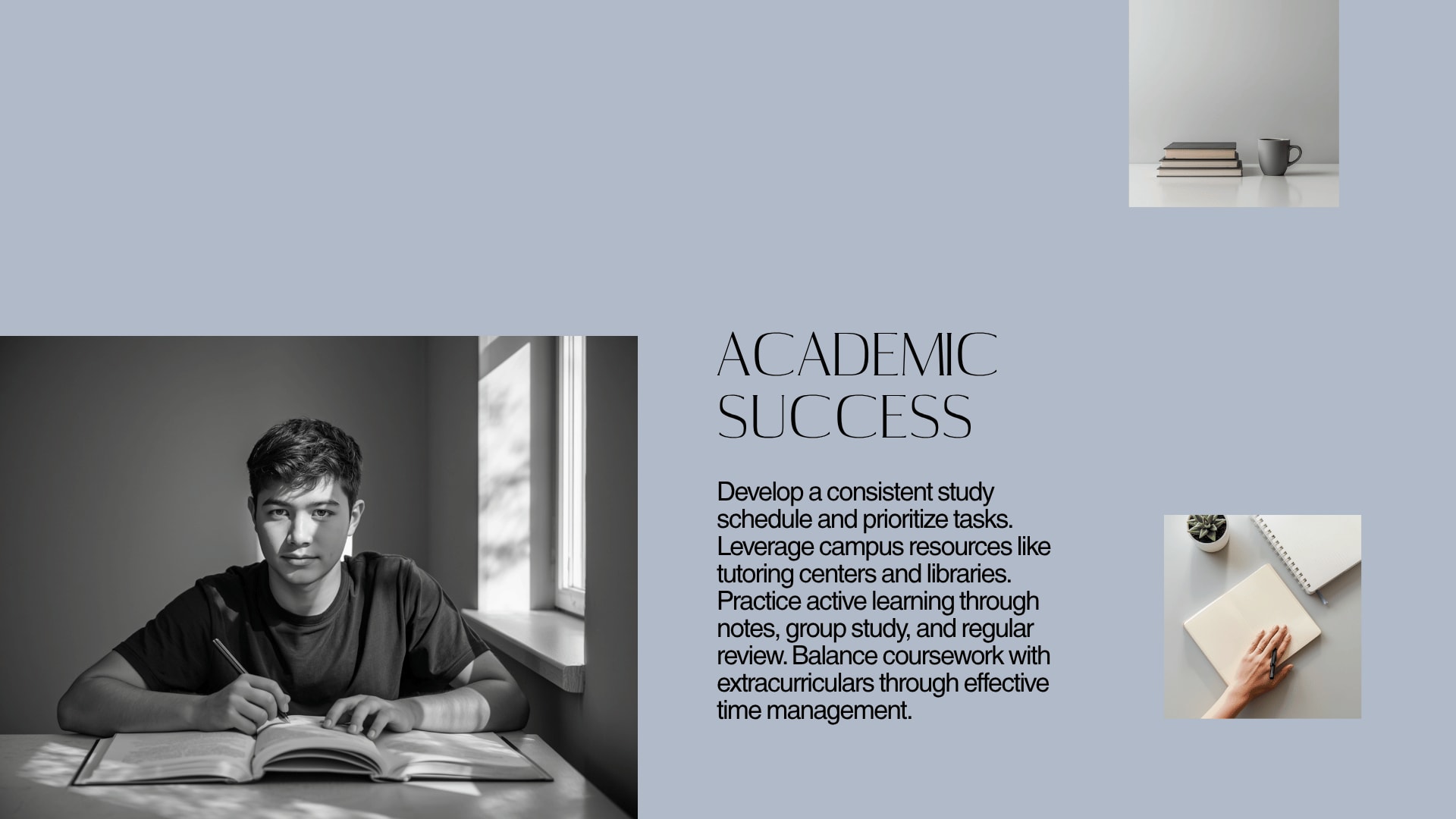
Academic goals provide structure during the first year and help students stay focused even when college life becomes busy.
Some practical goals include:
Attend every lecture unless absolutely necessary.
Complete assignments before deadlines.
Revise class notes every week.
Participate in classroom discussions.
Ask professors for clarification whenever concepts are unclear.
Maintain a consistent study schedule.
Build strong fundamentals instead of memorizing before exams.
Many students struggle during examination season because they postpone revision until the final week.
Students who review notes regularly often experience less stress and retain information more effectively.
Instead of chasing perfect grades immediately, freshers should concentrate on understanding concepts and developing consistent study habits.
How can personal growth goals improve college success?
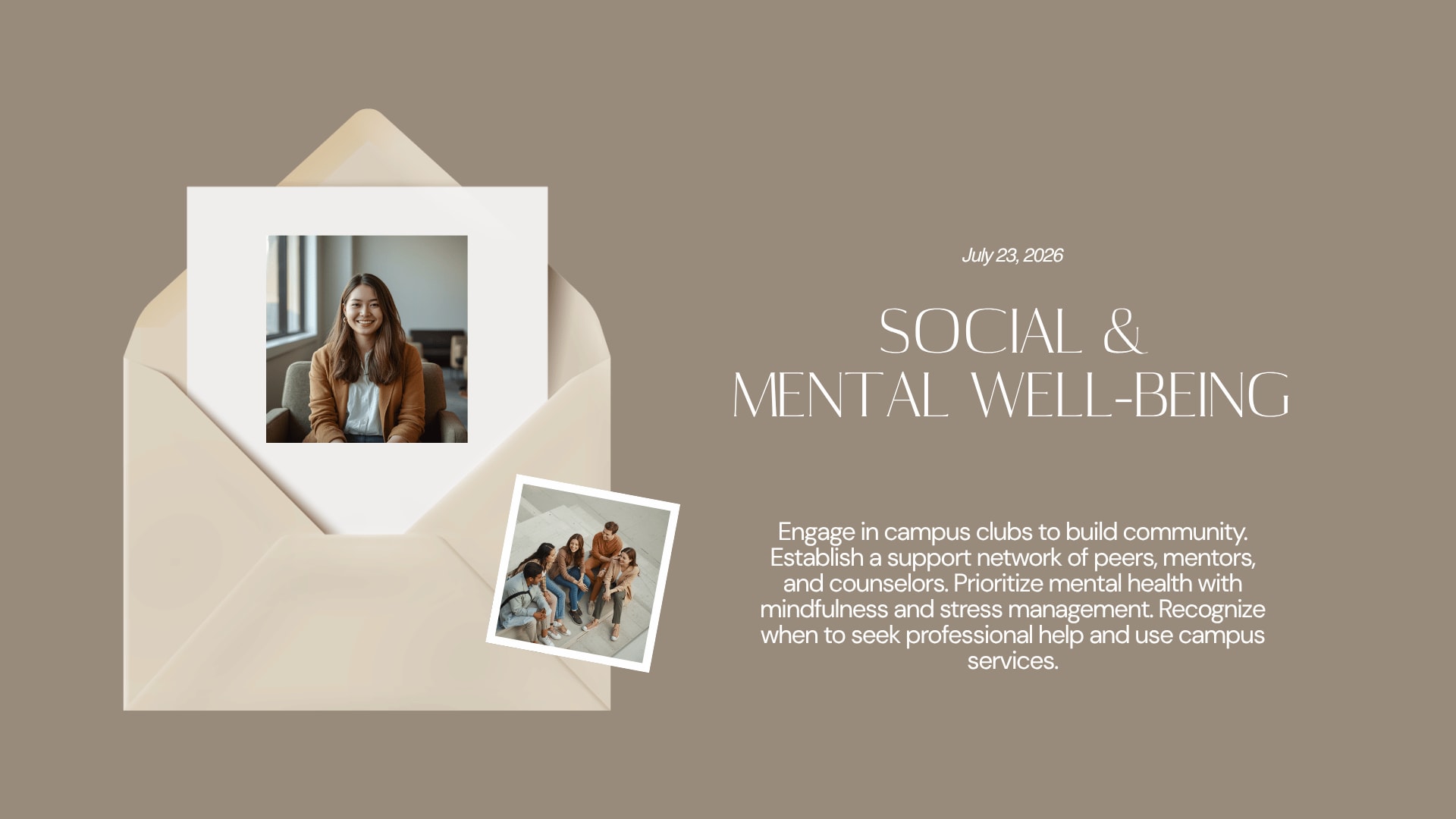
College is not only about earning a degree. It is also an opportunity to become a more confident, independent, and capable individual.
Personal growth goals may include:
Improving communication skills
Becoming more confident in public speaking
Meeting students from diverse backgrounds
Reading regularly
Learning problem-solving techniques
Building emotional resilience
Developing healthy daily routines
Practicing self-discipline
A common first-year transformation occurs when shy students begin participating in presentations or club activities. Speaking in front of classmates may feel intimidating at first, but repeated practice gradually builds confidence that benefits future interviews and professional environments.
Students who invest in personal development alongside academics often adapt more successfully to changing situations throughout college.
Why is goal setting important during the first year?
Goal setting helps students stay focused, measure progress, and remain motivated despite challenges. Clear goals transform everyday activities into meaningful steps toward long-term academic and career success.
Without goals, it is easy to lose direction.
College offers numerous opportunities, including student clubs, competitions, workshops, internships, hackathons, volunteer work, and networking events. While these experiences are valuable, participating in everything can become overwhelming.
Goals help students decide where to invest their time.
For example, a student interested in digital marketing may prioritize content creation workshops, communication training, and internship opportunities. Another student planning a career in software development may focus on programming projects, coding competitions, and technical communities.
The first year is also the ideal time to begin preparing for future employability.
Rather than waiting until the final semester, students can gradually develop practical skills through online learning and certifications. Resources such as JioSkill provide structured courses that complement classroom education with industry-focused knowledge. Learning topics such as communication, digital skills, workplace readiness, and professional development early helps students build a stronger foundation for internships and placements. Students can explore available learning opportunities through https://www.jioskill.com/ as part of their long-term career planning.
Key Takeaways Before College Begins
Students who prepare before their first day often enjoy a smoother transition into college life. The most successful freshers are not necessarily those who know everything—they are the ones willing to learn, adapt, and grow.
Before college starts, every fresher should:
Keep all admission documents organized.
Pack only essential hostel and academic items.
Set realistic academic and personal goals.
Develop basic time management habits.
Prepare mentally for independence and responsibility.
Accept that making friends and adjusting takes time.
Stay open to new experiences and opportunities.
Begin building practical career skills alongside academics.
Entering college with preparation, curiosity, and a positive mindset lays the foundation for a rewarding first-year experience. The habits formed during these early weeks often shape a student's academic success, personal confidence, and career readiness for years to come.
What technology and apps should every college student use?
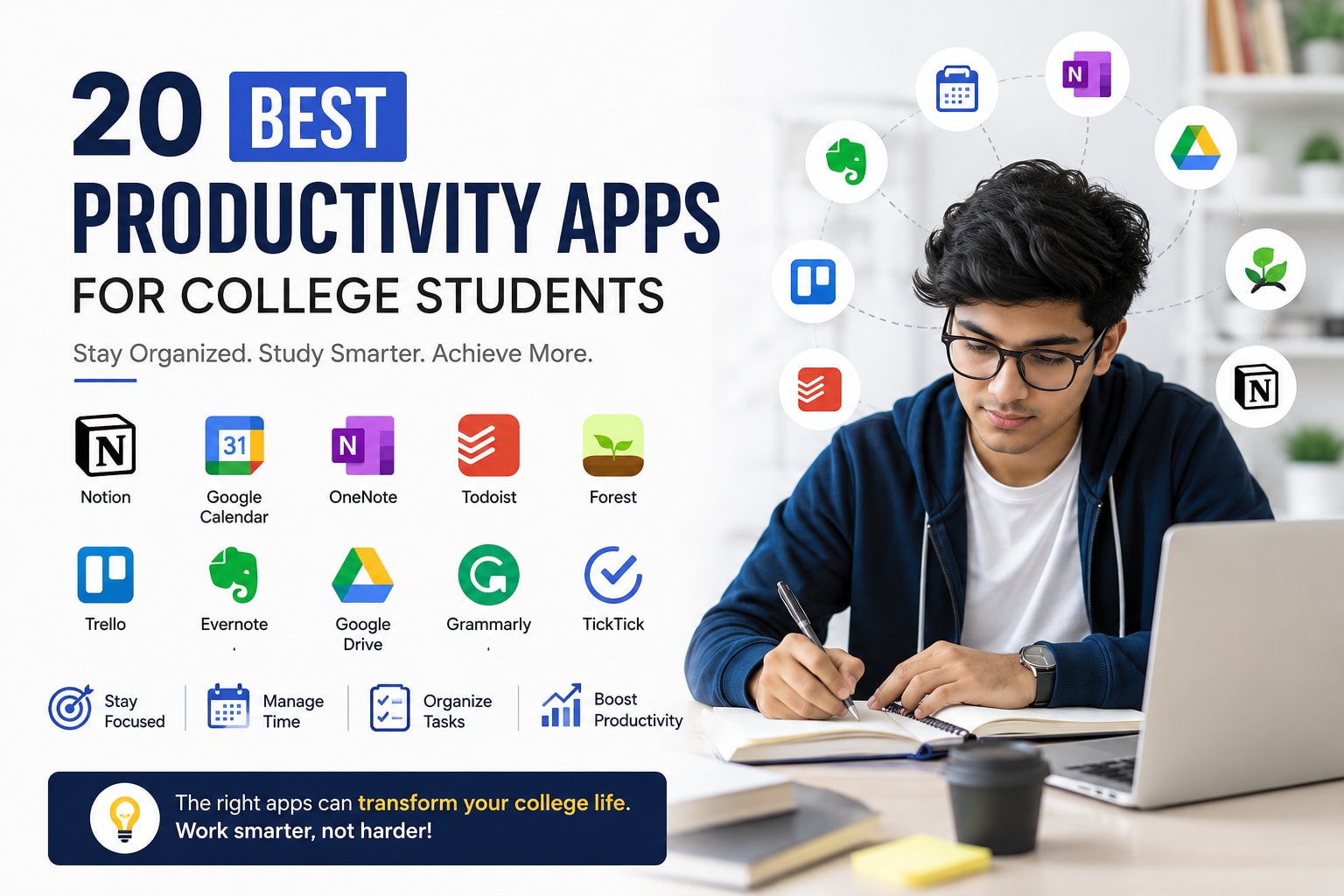
The right technology can simplify a student's daily routine and improve productivity throughout college. A practical College Survival Guide for Freshers recommends using reliable apps for note-taking, scheduling, collaboration, and research rather than downloading too many tools. Choosing a few useful applications helps students stay organized without creating digital distractions.
Technology has become an essential part of modern education. Lecture materials are shared online, assignments are submitted through learning management systems, and group projects often rely on digital collaboration.
The goal is not to use every available app but to build a simple digital workflow that supports learning.
Which apps improve productivity?
Productivity apps help students plan their schedules, track assignments, and avoid missing important deadlines.
Some of the most useful categories include:
Calendar apps for managing classes and exam dates
Task management apps for assignments and projects
Focus timer apps for distraction-free study sessions
Cloud storage for backing up important documents
Habit trackers for maintaining daily routines
Many successful students spend five to ten minutes every evening reviewing the next day's schedule. This simple habit reduces last-minute stress and helps them start each morning with a clear plan.
Which tools help with note-taking and research?
Digital note-taking and research tools make learning more efficient, especially when managing multiple subjects.
Students can benefit from tools that allow them to:
Organize lecture notes by subject
Save research articles for later reading
Highlight important concepts
Synchronize notes across multiple devices
Collaborate with classmates on shared projects
For research and academic writing, students should rely on trusted educational sources instead of random websites. Resources such as Google Scholar (https://scholar.google.com/) provide access to scholarly articles, while university digital libraries often offer additional research materials.
Combining digital notes with handwritten summaries is another effective strategy. Many students find that writing key concepts by hand improves memory while digital notes make searching and organizing information much easier.
How can digital organization improve academic performance?
Digital organization reduces confusion and helps students manage increasing academic responsibilities.
A simple system may include:
Creating separate folders for each subject.
Naming files consistently.
Backing up assignments using cloud storage.
Maintaining one digital calendar for all deadlines.
Reviewing weekly tasks every Sunday evening.
Students who organize digital files from the beginning spend less time searching for notes before examinations.
Good digital habits also reduce the risk of accidentally submitting outdated assignments or losing important project files.
What does a successful student survival guide look like?
A successful student survival guide focuses on consistent habits rather than occasional bursts of motivation. The most effective College Survival Guide for Freshers encourages students to build routines that support academics, health, relationships, and career development throughout their college years.
There is no single formula for college success.
However, students who remain organized, ask for help when needed, continue learning beyond the classroom, and maintain healthy lifestyles usually perform better academically while enjoying a more balanced college experience.
Small daily improvements often create significant long-term results.
Which daily habits lead to consistent success?
Successful students rarely depend only on motivation.
Instead, they develop daily habits such as:
Attending lectures regularly
Reviewing notes after class
Completing small tasks before they accumulate
Reading for at least thirty minutes
Exercising or walking daily
Sleeping at consistent times
Limiting unnecessary screen time during study sessions
Planning the following day before bedtime
These habits reduce stress because students stay ahead of deadlines rather than constantly catching up.
One completed assignment every day is often more valuable than trying to finish an entire week's work the night before submission.
What weekly routines keep students on track?
Weekly reviews help students identify progress and prepare for upcoming responsibilities.
A productive weekly routine may include:
Reviewing class notes
Updating assignment deadlines
Cleaning study spaces
Organizing digital files
Planning the next week's schedule
Meeting project teammates
Participating in one extracurricular activity
Spending quality time with friends or family
Students who follow a weekly planning routine usually feel more prepared during busy academic periods.
The routine does not need to be complicated. Even thirty minutes every weekend can significantly improve organization.
Which monthly self-checks help students improve?
Monthly reflection allows students to evaluate what is working and where adjustments are needed.
Helpful questions include:
Have academic goals been achieved?
Are assignments being completed on time?
Is enough time being spent studying?
Have new friendships been developed?
Is the monthly budget under control?
Are healthy routines being maintained?
Has any new skill been learned this month?
What should improve next month?
Career development should also become part of these monthly reviews.
Many students begin exploring internships only during their final year. A better approach is to build employability skills gradually from the first year through certifications, communication practice, project work, and structured online learning. Platforms such as JioSkill provide courses that support professional development alongside regular college education, helping students strengthen workplace readiness before internship opportunities arise. Students interested in continuous learning can explore available programs at https://www.jioskill.com/.
Regular self-assessment helps students stay focused on long-term growth rather than reacting only to immediate academic pressures.
JioSkill Team
Content Creator
Content creator at JioSkill