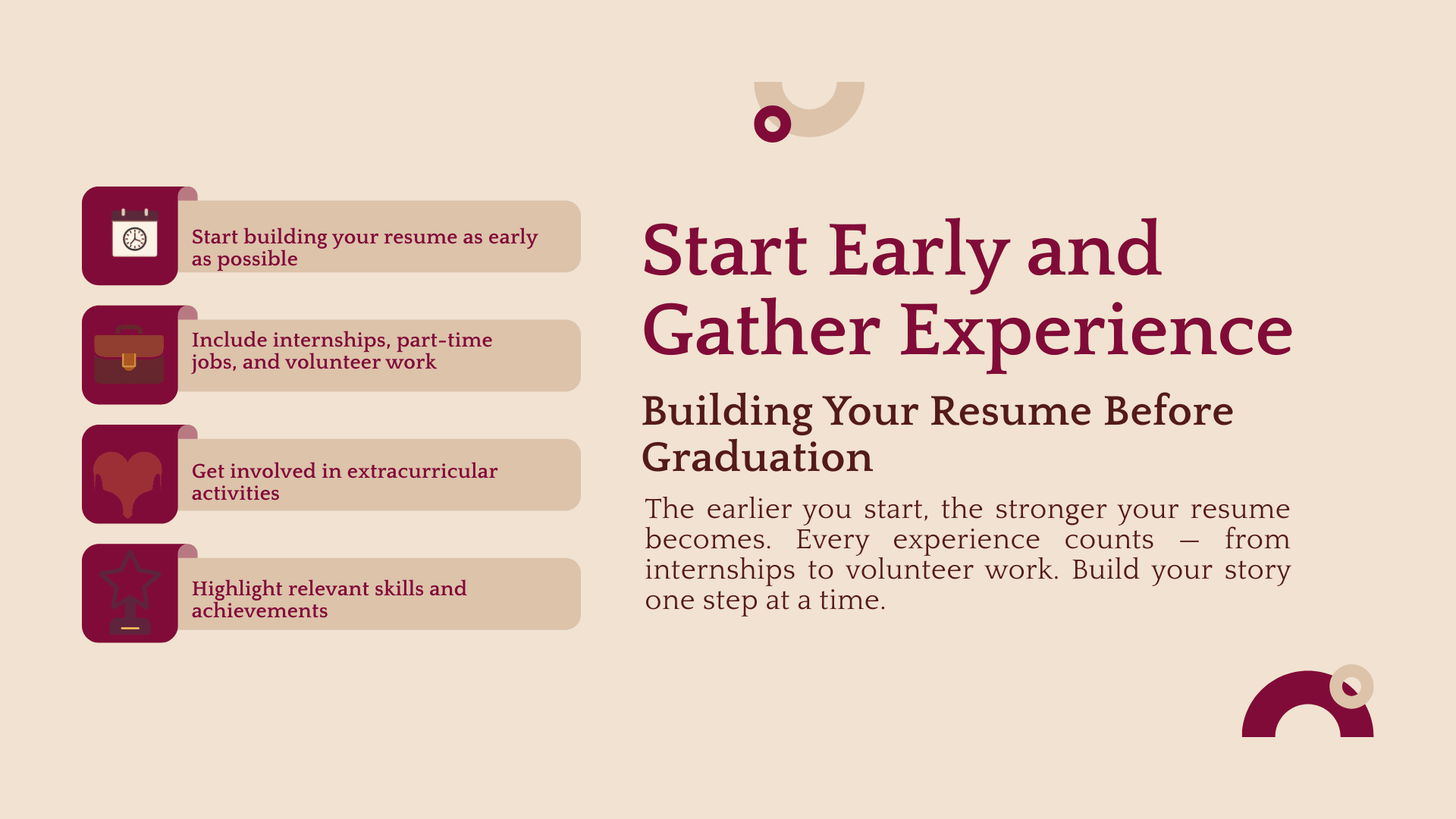
A strong resume can make the difference between getting shortlisted for an interview and being overlooked. Many students wait until their final semester to start building a resume, only to realize they have little experience to showcase. The best time to Build a Strong Resume Before Graduation is during college, when there are opportunities to gain internships, complete projects, earn certifications, participate in extracurricular activities, and develop industry-relevant skills.
Recruiters today expect more than good academic scores. They look for candidates who demonstrate practical knowledge, problem-solving abilities, communication skills, leadership, and a willingness to learn. Whether applying for internships or campus placements, a well-structured student resume helps employers understand a candidate's potential within seconds.
Building a resume early also allows students to identify skill gaps and improve them before entering the job market. Platforms like JioSkill (jioskill.com) support this journey by offering career-focused courses, industry-recognized certifications, and job-readiness resources that help students strengthen their resumes and prepare confidently for internships and graduate roles.
This guide explains practical strategies that help students create an impressive professional resume before graduation while meeting recruiter expectations and Applicant Tracking System (ATS) requirements.
Why Should Students Build a Strong Resume Before Graduation?
Students who Build a Strong Resume Before Graduation improve their chances of securing internships, campus placements, and entry-level jobs. An early start provides enough time to gain practical experience, develop relevant skills, earn certifications, and present a well-rounded profile that stands out to recruiters.
Most hiring managers spend less than a minute reviewing a resume during the first screening. For campus hiring, recruiters often evaluate hundreds of applications within a short period. Students with resumes that clearly present achievements, projects, and skills are more likely to receive interview calls.
Building a resume before graduation offers several advantages:
Creates a clear record of academic and professional achievements.
Makes internship applications stronger.
Highlights technical and soft skills.
Encourages continuous learning throughout college.
Improves confidence during placement interviews.
Provides time to customize the resume for different industries.
For example, two students may have similar academic scores. One student has completed internships, participated in hackathons, earned certifications, and volunteered for college events. The other lists only educational qualifications. Recruiters naturally find the first profile more attractive because it demonstrates initiative and practical exposure.
Students who begin early also have enough time to improve weak areas instead of rushing to fill gaps during the final semester.
What Do Recruiters Look for in a Student Resume?
Recruiters expect students who Build a Strong Resume Before Graduation to demonstrate potential, relevant skills, practical experience, and a willingness to learn. Even without full-time work experience, students can impress employers by showcasing projects, internships, certifications, and measurable achievements.
Recruiters understand that college students may not have years of professional experience. Instead, they focus on indicators that predict future performance.
Academic Performance
Strong academic performance supports a resume, but it is rarely the only deciding factor. Recruiters prefer students who combine good grades with practical learning and extracurricular involvement.
Academic achievements should include:
Degree name
College name
Graduation year
CGPA or percentage (if strong)
Relevant coursework
Students with average grades can still compete effectively by demonstrating practical knowledge through internships and projects.
Practical Experience
Hands-on experience often carries more weight than classroom learning because it shows students can apply concepts in real situations.
Relevant experience may include:
Internships
Freelance work
Research assistance
Campus ambassador roles
Student organizations
Volunteer work
Even a short internship provides valuable experience for an internship resume or graduate resume.
Technical Skills
Recruiters want to know which tools and technologies students already understand.
Examples include:
Python
Java
SQL
Microsoft Excel
Power BI
AutoCAD
Canva
Figma
Digital Marketing tools
Learning these skills through structured programs, including career-oriented courses available on JioSkill, can help students strengthen both their knowledge and resume.
Soft Skills
Many students underestimate soft skills, yet recruiters consistently value them.
Examples include:
Communication
Teamwork
Problem-solving
Leadership
Time management
Adaptability
Critical thinking
Rather than listing these skills without evidence, students should connect them to real experiences such as leading a college event or managing a team project.
What Should Every Student Resume Include?
To Build a Strong Resume Before Graduation, every student resume should include essential sections such as contact information, education, skills, projects, internships, certifications, achievements, and extracurricular activities. A clear structure helps recruiters quickly identify a candidate's strengths.
A complete resume for college students usually includes the following sections.
1. Contact Information
Include:
Full name
Professional email address
Phone number
City and state
LinkedIn profile
Portfolio or GitHub (if applicable)
Avoid using informal email addresses.
2. Professional Summary
A short summary introduces the candidate's strengths.
Example:
"Computer Science undergraduate with experience in web development projects, Python programming, and data analysis. Passionate about building practical solutions and eager to contribute to innovative technology teams."
3. Education
Include:
Degree
Institution
Graduation year
CGPA
Relevant coursework (optional)
4. Skills
Group skills into categories.
Technical Skills:
Python
SQL
Excel
HTML
CSS
Soft Skills:
Communication
Teamwork
Leadership
5. Projects
Projects demonstrate practical application of classroom learning.
Include:
Project title
Technologies used
Problem solved
Results achieved
Projects become especially valuable for students with limited work experience.
6. Internships
Include:
Organization
Role
Duration
Responsibilities
Achievements
Recruiters appreciate measurable outcomes.
Instead of writing:
Assisted marketing team.
Write:
Assisted the marketing team in planning social media campaigns that increased engagement by 20% during a college event.
7. Certifications
Industry-recognized certifications show continuous learning.
Relevant certifications may cover:
Data Analytics
Cloud Computing
AI
Digital Marketing
Cybersecurity
Project Management
Students can explore certification programs through JioSkill, which offers career-focused learning paths aligned with industry requirements.
8. Achievements
Examples include:
Scholarship recipient
Coding competition winner
Research publication
Sports achievements
Hackathon finalist
9. Extracurricular Activities
Activities outside academics reveal leadership and teamwork.
Examples:
Student council
NSS
Event management
College clubs
Volunteer work
How Can Students Make Their Resume ATS-Friendly?
Students who Build a Strong Resume Before Graduation should create an ATS-friendly resume by using a clean resume format, relevant keywords, standard headings, and simple formatting. This increases the likelihood of passing automated resume screening systems before reaching recruiters.
Many companies now use Applicant Tracking Systems (ATS) to filter resumes before a recruiter reviews them. An ATS scans resumes for keywords, qualifications, and formatting.
An ATS-friendly resume is easier for software to read and helps improve visibility during the hiring process.
Generic ResumeATS-Friendly ResumeFancy graphicsSimple formattingTables and text boxesStandard headingsGeneric wordingJob-specific keywordsDecorative fontsProfessional fontsUnclear skillsClearly categorized skills
Resume Writing Tips for ATS
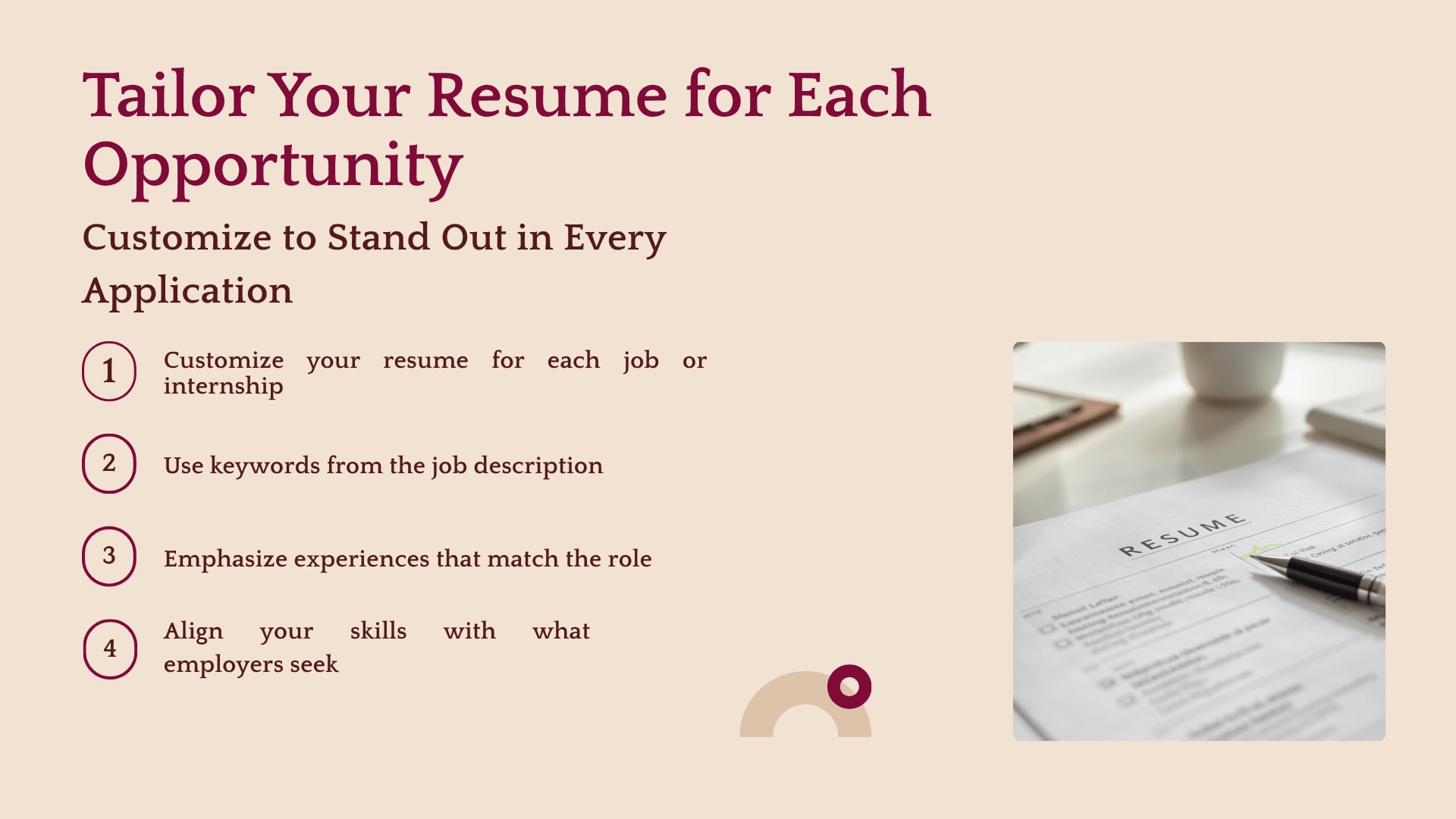
Use standard headings like Education, Skills, Projects, and Experience.
Match keywords from the job description naturally.
Save the resume as PDF unless another format is requested.
Use professional fonts such as Arial or Calibri.
Avoid unnecessary icons and graphics.
Keep formatting consistent.
Include measurable achievements wherever possible.
Students should also review their resume before every application instead of sending the same version to every employer.
Career experts from organizations such as the National Association of Colleges and Employers (NACE) recommend tailoring resumes to specific job descriptions and emphasizing demonstrated competencies rather than generic skill lists. Students can also find practical resume guidance through Harvard Career Services and the Indeed Career Guide, which provide examples and recruiter-backed best practices.
How Can Students Gain Valuable Experience Before Graduation?
Students who Build a Strong Resume Before Graduation should actively seek internships, academic projects, volunteering opportunities, leadership roles, freelance work, and online certifications. These experiences demonstrate practical skills, initiative, and career readiness, making a resume stronger even before earning a degree.
Many students assume that experience only comes from full-time jobs. Recruiters see things differently. They understand that college students are still learning, so they evaluate how students have used their time outside the classroom.
Complete Relevant Internships
An internship remains one of the strongest sections on a student resume because it demonstrates real workplace exposure. Even a short internship teaches professional communication, teamwork, deadlines, and problem-solving.
When describing internship experience:
Mention the organization and role.
Highlight responsibilities.
Include measurable achievements whenever possible.
Use action verbs such as "developed," "designed," "analyzed," or "improved."
Instead of writing:
Assisted the HR department.
Write:
Supported the HR team in screening resumes and coordinating interviews for campus recruitment, improving scheduling efficiency.
Build Academic and Personal Projects
Projects help recruiters understand how students apply classroom concepts to solve real-world problems.
For technical students, projects may include:
Mobile applications
Websites
Machine learning models
Data dashboards
IoT solutions
For business or marketing students:
Digital marketing campaigns
Market research reports
Brand strategy presentations
Financial analysis
Quality matters more than quantity. Three well-documented projects often create a stronger impression than ten incomplete ones.
Earn Industry Certifications
Certifications show continuous learning and curiosity. They also help students bridge the gap between academics and industry requirements.
Useful certification areas include:
Data Analytics
Artificial Intelligence
Cloud Computing
Cybersecurity
Digital Marketing
Excel
Power BI
Project Management
Platforms like JioSkill (jioskill.com) help students develop industry-relevant skills through career-focused courses and certifications that strengthen both technical knowledge and a job-ready resume.
Participate in College Activities
Recruiters appreciate leadership experience gained through:
Student clubs
Technical societies
Event management committees
Sports teams
Cultural organizations
NSS or NCC
Organizing a college fest or leading a project team demonstrates planning, communication, teamwork, and leadership.
Volunteer for Social Initiatives
Volunteer work reflects responsibility, empathy, and collaboration.
Examples include:
Teaching underprivileged children
Organizing blood donation drives
Environmental campaigns
Community awareness programs
These activities strengthen both the resume and interview conversations.
Which Resume Format Is Best for College Students?
Students who Build a Strong Resume Before Graduation should use a reverse chronological resume format because it presents the latest education, internships, projects, and achievements clearly. This format is ATS-friendly and widely preferred by recruiters during campus placements and entry-level hiring.
Choosing the right resume format makes information easier to read.
The reverse chronological format works well because it highlights recent accomplishments first.
A recommended structure includes:
Contact Information
Professional Summary
Education
Skills
Internships
Projects
Certifications
Achievements
Extracurricular Activities
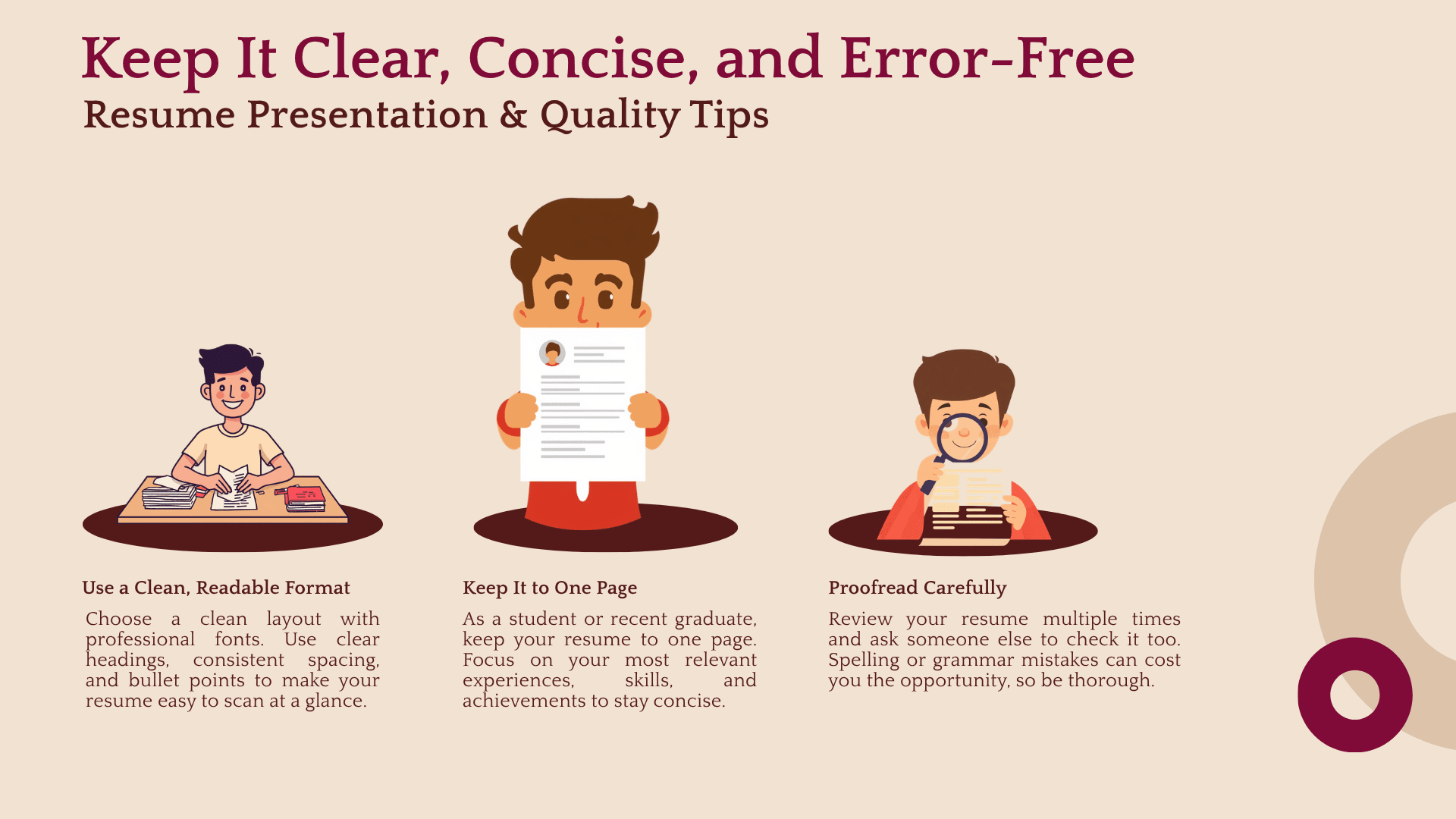
Keep the resume to one page whenever possible. A concise and organized professional resume is easier for recruiters to review during campus hiring drives.
How Should Students Showcase Resume Skills Effectively?
Students who Build a Strong Resume Before Graduation should demonstrate resume skills with practical examples instead of simply listing them. Recruiters trust skills that are supported by projects, internships, achievements, or leadership experiences.
A common mistake is creating a long list of skills without evidence.
Instead of writing:
Leadership
Communication
Teamwork
Support them with achievements.
Examples:
Led a team of eight students during a national hackathon.
Coordinated sponsorship activities for a college cultural festival.
Delivered technical presentations to more than 100 participants.
Technical skills should also match the desired role.
For software roles:
Java
Python
SQL
Git
HTML
CSS
JavaScript
For marketing roles:
SEO
Google Analytics
Canva
Content Writing
Social Media Marketing
For finance roles:
Advanced Excel
Power BI
Financial Modeling
Tableau
Recruiters value candidates who continuously improve their skills through online learning, workshops, and practical assignments.
Common Resume Mistakes That Reduce Interview Calls
Students who Build a Strong Resume Before Graduation should avoid common resume mistakes such as spelling errors, irrelevant information, poor formatting, keyword stuffing, and generic objectives. Small errors often prevent qualified candidates from reaching the interview stage.
Some of the most frequent mistakes include:
Using unprofessional email addresses.
Including unnecessary personal details.
Writing long paragraphs instead of concise bullet points.
Adding outdated or irrelevant skills.
Submitting the same resume for every company.
Ignoring ATS keywords.
Including false information.
Listing hobbies without relevance.
Poor grammar and spelling mistakes.
Inconsistent formatting.
Before submitting any placement resume, students should carefully proofread every section.
Reading the resume aloud often helps identify awkward sentences and missing information.
How Can Students Prepare for Campus Placements?
Students who Build a Strong Resume Before Graduation improve their campus placement success by combining a strong resume with technical preparation, communication skills, interview practice, and continuous learning. Recruiters evaluate overall employability rather than academic scores alone.
Campus placements involve several stages.
Typical recruitment process:
Resume screening
Aptitude test
Technical assessment
Group discussion (if applicable)
Technical interview
HR interview
Students who prepare consistently throughout college usually perform better than those who begin preparation only during the placement season.
Helpful preparation strategies include:
Practice mock interviews.
Improve communication skills.
Build an updated LinkedIn profile.
Learn current industry tools.
Participate in coding contests or case competitions.
Strengthen aptitude and reasoning skills.
Review previous internship experiences.
Career-focused learning platforms such as JioSkill can support students by offering interview preparation resources, practical learning paths, and certifications aligned with current industry expectations, helping improve overall employability.
Practical Resume Writing Tips from Recruiter Experience
Students who Build a Strong Resume Before Graduation should focus on clarity, measurable achievements, and relevance instead of trying to fill every available space. Recruiters appreciate resumes that quickly communicate value and potential.
Experienced recruiters often notice the following traits in successful resumes:
Every bullet starts with a strong action verb.
Achievements include numbers whenever possible.
Skills match the job description.
Formatting remains clean and consistent.
Projects solve meaningful problems.
Certifications are relevant to the target role.
Grammar is error-free.
For example, compare these statements:
Weak:
Worked on a website project.
Strong:
Developed a responsive e-commerce website using React and Firebase, reducing page load time by 30% during testing.
The second statement immediately demonstrates impact and technical ability.
Students should also tailor every fresher resume for different industries rather than using one generic version for every application.
Helpful Resources for Resume Building
Students can strengthen their resume by learning from trusted career resources.
Useful references include:
LinkedIn Resume Guide: https://www.linkedin.com/
Harvard Career Services Resume Guide: https://careerservices.fas.harvard.edu/
These resources provide resume examples, recruiter advice, and formatting guidance that complement practical experience gained during college.
Conclusion
Students who Build a Strong Resume Before Graduation give themselves a significant advantage in internships, campus placements, and entry-level recruitment. A resume built gradually over several semesters reflects continuous learning, practical experience, and genuine career preparation rather than last-minute effort.
A strong graduate resume is not created in a single weekend. It grows through internships, academic projects, leadership opportunities, certifications, volunteer work, competitions, and consistent skill development. Recruiters look beyond academic scores and prefer candidates who demonstrate curiosity, initiative, and the ability to apply knowledge in practical situations.
Students should regularly update their student resume, tailor it for each opportunity, and ensure it remains ATS-friendly. Reviewing achievements every semester makes it easier to present a professional profile when internship and placement opportunities arise.
For students looking to strengthen their resumes further, JioSkill (jioskill.com) serves as a valuable learning platform. By offering industry-relevant courses, certifications, career development resources, interview preparation, and job-readiness programs, it helps students build practical skills that employers value. These experiences not only improve employability but also contribute to creating a stronger, more competitive resume before graduation.
Starting early is the smartest strategy. Every project completed, certification earned, internship finished, and leadership experience gained becomes another step toward building a resume that stands out during campus placements and beyond.
JioSkill Team
Content Creator
Content creator at JioSkill