

India’s New AI Governance Guidelines Explained: What It Means for Tech and Businesses
India’s New AI Governance Guidelines Explained: What It Means for Tech and Businesses Look, Artificial Intelligence is basically taking over everything—digital marketing, e-commerce, healthcare, finance, education. Pick any industry, and AI’s probably already there.
But here’s the catch: while the technology keeps advancing at breakneck speed, we’re also seeing legitimate worries pile up around ethics, privacy, and how easily this stuff can be misused.
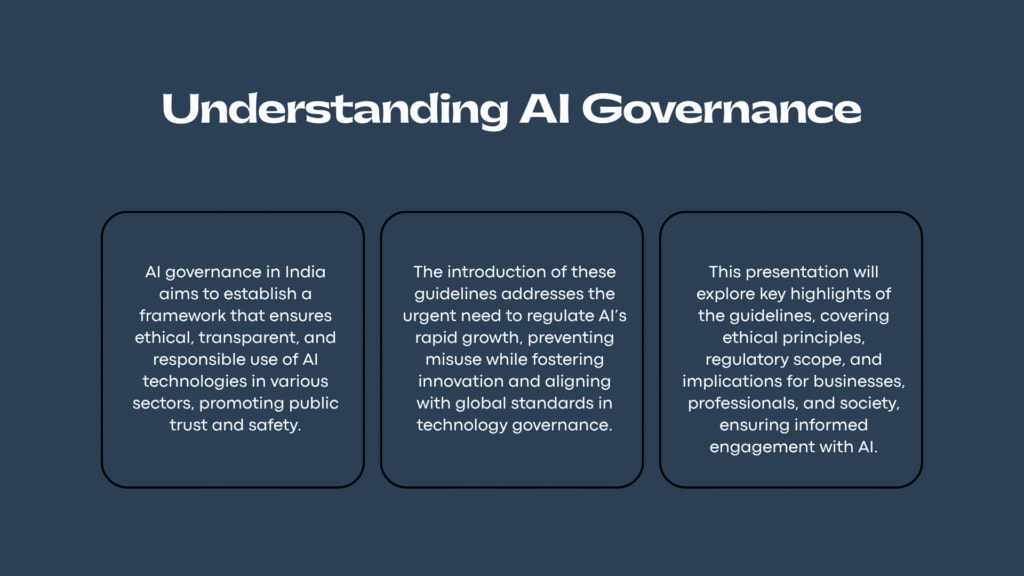
The Government of India clearly recognized this and decided to act, introducing the India AI guidelines 2025—a proper, comprehensive framework meant to bring some much-needed structure and accountability to AI governance in India.
And honestly? This matters more than you might think. It’s genuinely a turning point in how India handles its digital transformation. The whole point is making sure AI gets built and used the right way—ethically, transparently, safely. India’s New AI Governance Guidelines.
So let’s break down what these rules really mean for businesses, and why anyone working in tech, marketing, or running a startup should actually care.
1. The Rise of AI and the Need for Regulation
India’s been positioning itself as a serious player in AI over the last ten years. You see it everywhere now—chatbots handling your customer complaints, predictive analytics telling marketers what’ll work next.
Companies across India jumped on the AI bandwagon pretty fast because it genuinely helps with efficiency and growth. But—and this is a big but—that same rapid adoption brought problems nobody was quite ready for. Data getting misused, algorithms showing bias, and nobody really being held accountable when things go wrong.
Which is exactly why we need AI regulation in India now more than ever. The government’s new AI governance framework India is basically trying to do two things at once: let innovation keep happening while also making sure there are some actual ethical principles and legal protections in place.
MeitY (the Ministry of Electronics and Information Technology) is the one driving this. India’s New AI Governance Guidelines. They’ve put together these MeitY AI guidelines to set clear standards for how AI should work across different industries.
2. What Are India’s New AI Governance Guidelines 2025?
So what exactly is this India AI policy that came out in 2025? Think of it as the government’s game plan for building an AI ecosystem that’s actually secure, fair, and doesn’t leave anyone behind.
There’s one simple idea at the heart of it all: “Do No Harm.” They want innovation, sure—but not at the cost of accountability.
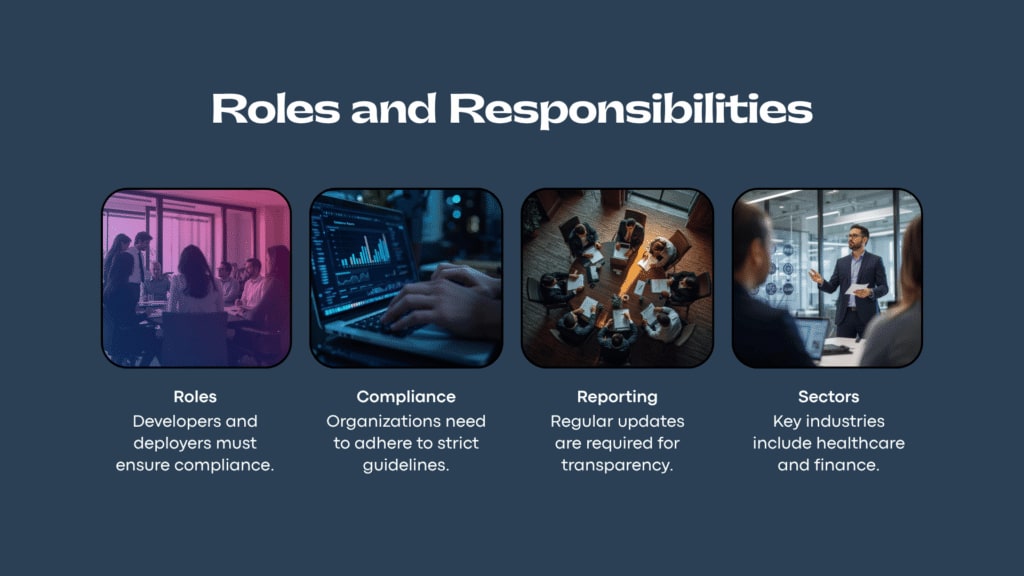
Here’s how the Government AI framework India breaks everything down. India’s New AI Governance Guidelines .They’ve created three risk-based categories for AI:
Minimal Risk AI Systems:
Your everyday stuff—chatbots, automated emails, marketing automation tools. These don’t really pose serious threats to people or society. Businesses can keep using them, just need to stick to some basic transparency rules and protect user data properly.
High-Risk AI Systems:
Now we’re talking healthcare apps, recruitment algorithms, financial decision-making tools. These can actually impact people’s lives in major ways. So they require human oversight, proper testing, and official certification to make sure they’re not being unfair or making mistakes.
Unacceptable Risk AI Systems:
AI that manipulates people’s behavior, spreads fake news, or spies on citizens without permission? Yeah, that’s completely banned. No exceptions.
This whole tiered system makes practical sense. Innovation can continue, but the dangerous or sketchy stuff gets shut down.
So when people ask what are India’s new AI governance guidelines 2025? The simple answer is: they’re the country’s blueprint for doing AI responsibly—combining tech innovation with actual legal frameworks and ethical thinking.
3. Key Highlights of the India AI Policy
The India AI policy rests on five main pillars: transparency, accountability, safety, privacy, and inclusivity. Let me walk you through what each one actually means in real terms: India’s New AI Governance Guidelines
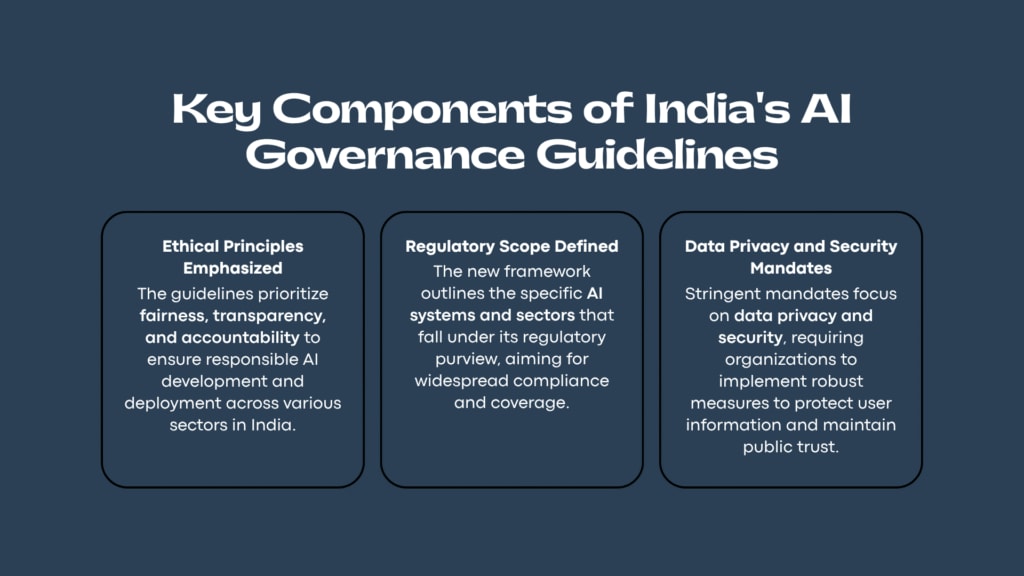
a. Transparency and Explainability
Developers and companies have to make their AI models explainable. People using these systems should understand how decisions get made—especially when we’re talking about finance or healthcare where one wrong call can seriously mess up someone’s life.
b. Data Privacy and Security
The guidelines work hand-in-hand with India’s Digital Personal Data Protection Act, so AI systems have to follow pretty strict rules about handling data. Companies need to keep detailed records showing how they use, store, and protect information.
c. Accountability and Human Oversight
This one’s crucial: the new AI rules for businesses in India say every AI system handling important decisions needs a “human-in-the-loop.” Basically, you can’t have completely automated processes making life-changing calls without any human checking the work.
d. Ethical and Fair Use
AI developers and organizations are expected to build in AI ethics and compliance frameworks from the start. The goal is fairness—making sure the system doesn’t discriminate against anyone.
e. Promoting Responsible Innovation
The guidelines push for Responsible AI India initiatives that bring startups, big companies, and government agencies together. It’s about creating safe and inclusive AI development through collaboration.
4. Impact of AI Regulation on Indian Businesses
The AI regulation in India is going to shake up how organizations create and use AI solutions. Most companies will need to change their workflows, beef up their compliance game, and get way more transparent about what they’re doing. India’s New AI Governance Guidelines.
a. Startups and Emerging Businesses
For startups, the Impact of AI regulation on startups cuts both ways. Yeah, smaller companies will need to put money into ethical data practices and keeping proper documentation. But here’s the upside: startups that get compliance right from day one can build serious trust and catch the attention of global investors who actually care about responsible innovation.
b. Tech Companies and Developers
Established tech firms need to pay attention to what the AI policy for tech companies is saying: compliance can’t be an afterthought. It needs to be baked into your development process—risk assessments, regular audits, getting third parties to verify your work, all of it.
c. Digital Marketing and Content Businesses
For anyone working in AI in digital marketing India, India’s New AI Governance Guidelines these new rules will probably change how you use automation and personalization. AI-powered ad platforms and content creation tools now have to clearly tell users when they’re dealing with AI-generated stuff. Being transparent about this is quickly becoming a competitive edge in marketing.
d. Financial and Healthcare Sectors
Banking and healthcare are getting hit with even tougher regulations because they’re high-risk. These businesses have to keep crystal-clear records and be ready to explain exactly how their AI makes decisions—whether that’s approving a loan or suggesting a medical diagnosis.
5. Ethical AI and Compliance: Building Trust in the Age of Automation
The AI ethics and compliance piece of these guidelines really matters. Businesses need to think “Responsible by Design”—which means you build ethical considerations into your AI from the very beginning, not slap them on at the end when you’re already launching.
What does that look like?
- Conducting ethical audits
- Ensuring inclusivity in training data
- Avoiding algorithmic bias
- Maintaining user consent and privacy
For marketers specifically, this means your AI-powered recommendation engines, ad targeting systems, and analytics tools need to operate within ethical boundaries. The government’s message is pretty straightforward: AI should empower people, not take advantage of them.
6. Government Rules for Using AI in India: The Business Perspective
From where businesses sit, the Government rules for using AI in India are designed to make compliance simpler through clear standards and official certifications.
The plan is to create a “National AI Authority” that will:
- Oversee AI deployments
- Approve high-risk AI applications
- Develop industry-specific compliance checklists
- Facilitate AI education and research partnerships
This setup gives businesses the confidence to innovate because they know exactly what the legal and ethical boundaries are.
7. How Will AI Regulation Affect Indian Businesses?
Everyone wants to know: How will AI regulation affect Indian businesses?
Let me break it down:
Operational Impact: Companies need transparent AI models and proper documentation of how decisions get made.
Financial Impact: Yeah, compliance will probably cost more upfront—especially tough for smaller startups—but you’ll see the payoff in consumer trust down the line.
Reputation Impact: Actually following the India AI guidelines 2025 tells people you’re responsible and credible—and that stuff matters when you’re trying to build a brand for the long haul.
Global Impact: Indian companies that align themselves with ethical AI standards are going to have a much easier time working with international clients and attracting foreign investors.
Bottom line: these changes create a more sustainable AI ecosystem in India where trust actually means something.
8. AI Innovation and Regulation: Finding the Balance
One of the trickiest parts of the whole AI innovation and regulation conversation is getting the balance right. Too much regulation and you kill innovation. Too little and you get chaos and misuse.
India’s trying to find that sweet spot by encouraging responsible innovation. The risk-based compliance models mean both tiny startups and massive corporations can keep innovating without throwing ethics out the window.
Plus, initiatives like Responsible AI India are all about getting academia, industry, and regulators to actually talk to each other. That kind of collaboration keeps the framework evolving as technology changes.
9. India AI Policy Impact on Startups and Tech Sector
The India AI policy impact on startups and tech sector is going to be huge. India’s tech scene is already booming, and these new rules will force companies to seriously upgrade their approach to AI ethics, transparency, and governance.
What’s in it for them?
- Greater investor confidence in compliant startups
- Access to global markets through ethical certifications
- Reduction in algorithmic bias and consumer complaints
- Increased adoption of trustworthy AI products
Startups that get ahead of compliance can actually turn it into a competitive advantage—showing they’re committed to doing things ethically from day one
10. The Road Ahead: Building a Responsible AI Future for India
The Artificial intelligence law in India isn’t just about restrictions—it’s a roadmap for growing sustainably. As AI becomes more woven into everyday life, how ethically we govern it will determine whether India’s digital economy succeeds or not. India’s New AI Governance Guidelines.
Tech companies need to align their internal policies with the MeitY AI guidelines and stay on top of compliance. Digital marketers need to use AI tools responsibly so they don’t lose audience trust. Startups have an opportunity here to innovate with actual integrity.
India’s next digital revolution isn’t just about technological progress—it’s about managing that progress responsibly.
11. Conclusion
The AI governance in India movement shows the government is actually thinking ahead about tech regulation. Rather than killing innovation, the India AI guidelines 2025 are trying to create an ecosystem where businesses can succeed responsibly.
For startups, tech leaders, and marketers, now’s the time to see AI regulation in India as an opportunity, not a roadblock. Building trust through transparency, fairness, and accountability is going to be what sets successful companies apart in this automation age.
Looking at the big picture, India’s AI governance framework India will do more than just protect consumers—it’ll make the country stronger as a global AI player. Whether the India AI policy succeeds depends entirely on how seriously businesses take these ethical innovation principles.
JioSkill Team
Content Creator
Content creator at JioSkill