

In today’s fast-paced digital world, learning how to start coding from scratch has become one of the most valuable skills you can acquire. Whether you’re interested in building a personal blog, launching a tech startup, or transitioning into a full-fledged developer career, web development opens the door to a wide range of opportunities. But with an overwhelming number of tools, languages, and frameworks out there, where should you begin?
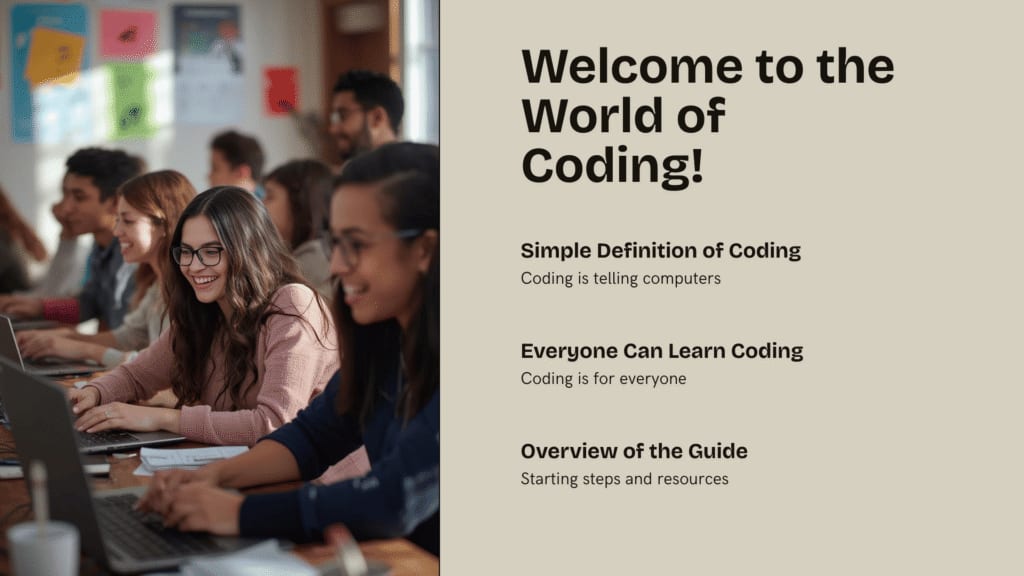
This guide will walk you through a comprehensive, step-by-step approach to learning how to start coding from scratch. You’ll explore everything from the basics of front-end and back-end development to building full-stack applications. With structured learning platforms like Jioskill, you can enhance your skills even further through hands-on exercises and expert-led courses. Ready to take the plunge into web development? Let’s get started!
Section 1: Understanding the Basics of Web Development: How to Start Coding from Scratch
Before diving into code, it’s essential to understand the fundamental components of web development. At its core, web development is divided into two main areas: front-end development and back-end development.
Front-End Development
Front-end development focuses on what users interact with. It includes the visual elements of a website—such as layouts, navigation, and styles. Front-end developers work with technologies like:
- HTML: The basic structure of web pages.
- CSS: Styling the page to make it visually appealing.
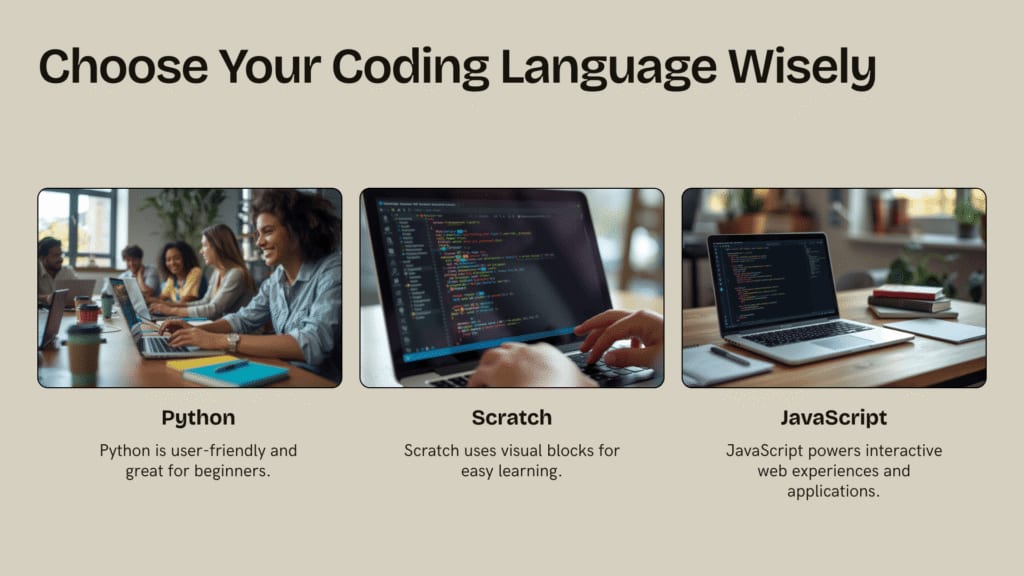
- JavaScript: Making the page interactive.
Back-End Development
Back-end development deals with the server-side of the application. This is where all the logic happens: interacting with databases, handling authentication, and managing server requests. A back-end developer ensures that data flows correctly between the user interface and the server.
Why Learn Web Development?
The demand for skilled web developers is skyrocketing. From freelance projects to full-time roles in established companies, web development offers versatile career opportunities. Learning how to start coding from scratch is an accessible career path with abundant resources to help you learn at your own pace.
Section 2: Front-End Development – The Building Blocks of How to Start Coding from Scratch
Let’s dive into the front-end technologies that you’ll need to know to get started with web development.
HTML (HyperText Markup Language)
HTML is the backbone of any webpage. It defines the structure and content of the site using elements known as tags. If you’re wondering how to start coding from scratch, learning HTML is the first step. Here’s a basic HTML page:
<!DOCTYPE html>
<html>
  <head>
    <title>My First Web Page</title>
  </head>
  <body>
    <h1>Welcome to My Website!</h1>
    <p>This is a paragraph of text.</p>
  </body>
</html>
CSS (Cascading Style Sheets)
While HTML provides the structure, CSS is what makes the website look appealing. With CSS, you can style elements like colors, fonts, and layout. Here’s a simple example of how to style the <h1> tag in the HTML code above:
h1 {
  color: #3498db; /* Blue color */
  font-family: Arial, sans-serif;
  text-align: center;
}
JavaScript – Making Websites Interactive
JavaScript is the magic that turns a static webpage into an interactive experience. It allows you to dynamically change content, respond to user actions, and create animations.
Here’s an example that changes text when a button is clicked:
<button onclick="changeText()">Click Me</button>
<p id="demo">Hello, world!</p>

<script>
function changeText() {
  document.getElementById("demo").innerHTML = "You clicked the button!";
}
</script>
This is just a simple example, but JavaScript is essential for learning how to start coding from scratch and building dynamic websites.
Section 3: Back-End Development – Understanding the Server-Side Logic
What is Back-End Development?

Back-end development powers everything that happens on the server side. While front-end developers design and code the user interface, back-end developers ensure that the website functions smoothly behind the scenes.
Back-end development includes:
- Databases: Storing data, such as user profiles or blog posts.
- Server Logic: Managing requests and responses from the user’s browser.
- Authentication: Handling user logins and ensuring security.
Popular Back-End Languages
Several programming languages are commonly used for back-end development. Some of the most popular ones are:
- Python: A beginner-friendly language that’s used in frameworks like Django and Flask.
- Node.js: A JavaScript runtime used for server-side development.
- Ruby: Known for its simplicity and powerful frameworks like Ruby on Rails.
- PHP and Java: Popular in the development of large-scale web applications.
If you’re learning how to start coding from scratch, Python is an excellent choice due to its simplicity and broad use in web development.
Databases: Storing and Managing Data
Databases are essential for storing data. There are two main types of databases:
- SQL Databases (e.g., MySQL, PostgreSQL): Use structured query language (SQL) to manage data in tables.
- NoSQL Databases (e.g., MongoDB): Store data in a non-tabular format, allowing more flexibility.
Example of an SQL query to retrieve all users:
SELECT * FROM users;
Section 4: Full-Stack Development – Combining Front-End and Back-End Skills
What is Full-Stack Development?
Full-stack development refers to the ability to work on both the front-end and back-end of a web application. As a full-stack developer, you can build both the user interface and the server-side logic, making you versatile in web development.
Tools and Frameworks for Full-Stack Developers
To build complete web applications, full-stack developers use a combination of tools and frameworks:
- React: A JavaScript library for building user interfaces.
- Node.js and Express: Tools for building server-side applications.
- MongoDB: A NoSQL database often used in full-stack JavaScript applications.
By learning how to start coding from scratch, you can eventually create sophisticated applications that are both functional and user-friendly.
Section 5: How to Start Coding from Scratch – Resources and Platforms for Learning Web Development
Where to Begin
If you’re just starting out, there are plenty of free resources available to learn HTML, CSS, JavaScript, and more:
- freeCodeCamp: A free resource that offers comprehensive tutorials on web development.
- W3Schools: Another excellent resource with interactive coding lessons.
- MDN Web Docs: Mozilla’s documentation site, which is an invaluable reference for web developers.
Platforms Like Jioskill for Structured Learning
For a more structured approach, platforms like Jioskill offer step-by-step courses designed for beginners. With hands-on coding exercises and expert-led lessons, you can learn how to start coding from scratch while working on real-world projects.
Section 6: Why Building Projects Is Key to Learning How to Start Coding from Scratch
The best way to solidify your knowledge and gain practical experience is by building your own projects. Whether it’s a personal website, a to-do list app, or an e-commerce platform, hands-on projects help reinforce the concepts you’ve learned.
Beginner Project Ideas:
- Personal Website: A simple portfolio to showcase your work.
- To-Do List App: A basic app to practice JavaScript and CRUD (Create, Read, Update, Delete) operations.
- Simple Blog Platform: A basic blog system to work with back-end logic and databases.
By continuously building projects, you’ll improve your skills and gain confidence in your ability to develop full web applications.
Section 7: Overcoming Challenges and Staying Motivated

Common Struggles for Beginners
Learning how to code from scratch can be challenging. Syntax errors, debugging issues, and the sheer volume of tools and technologies can feel overwhelming. But the key is persistence.
Staying Motivated
- Set small, manageable goals: Break down large tasks into smaller steps.
- Celebrate your progress: Whether it’s completing a tutorial or fixing a bug, each small win matters.
- Join developer communities: Sites like Stack Overflow and GitHub are great for seeking help and connecting with others.
Conclusion: Take the First Step Toward Coding from Scratch
Learning how to start coding from scratch may seem daunting at first, but with the right resources, practice, and persistence, you can quickly build the skills you need to become a proficient web developer. Start with the basics, work on small projects, and continue expanding your knowledge. Platforms like Jioskill provide structured paths that make learning both easy and engaging.
JioSkill Team
Content Creator
Content creator at JioSkill